Pink Salt and Peripheral Nerve Health: A Research Overview for Adults Over 50
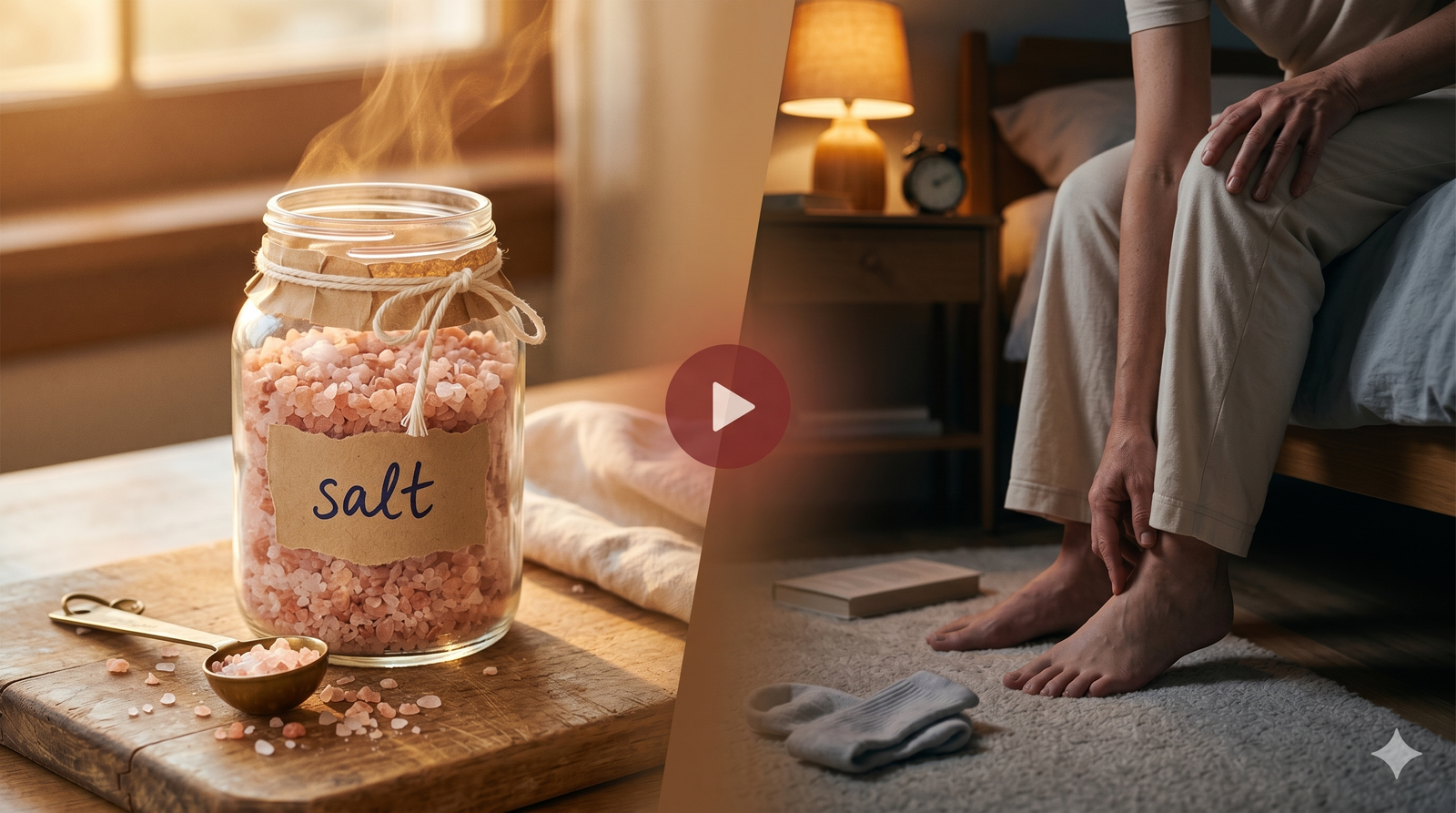
Pink salt contains a mineral compound that researchers are examining for its potential role in supporting the body's natural processing of accumulated microplastics in peripheral nerve tissue.
▶ Watch The Research PresentationIf you're an adult over 45 noticing occasional tingling, burning, or numbness in your hands or feet — especially at night — you're not alone. For years, this type of discomfort has been largely attributed to circulation, blood sugar, or aging. A growing area of research, however, is now exploring whether another factor may also be involved.
According to studies published in journals examining peripheral nerve function, researchers have observed microscopic plastic particles — commonly called microplastics — present in human nerve tissue. These particles enter the body gradually through everyday sources like water, food packaging, and indoor air, and may accumulate over decades in the peripheral nervous system.
The presentation walks through the research findings, explains the proposed mechanism behind the mineral compound being studied, and covers what participants in independent observations reported. It is available to watch at no cost and takes approximately 30 minutes.
This information is provided for educational purposes only. Please consult your physician before making any changes to your health routine.

Research Referenced From